
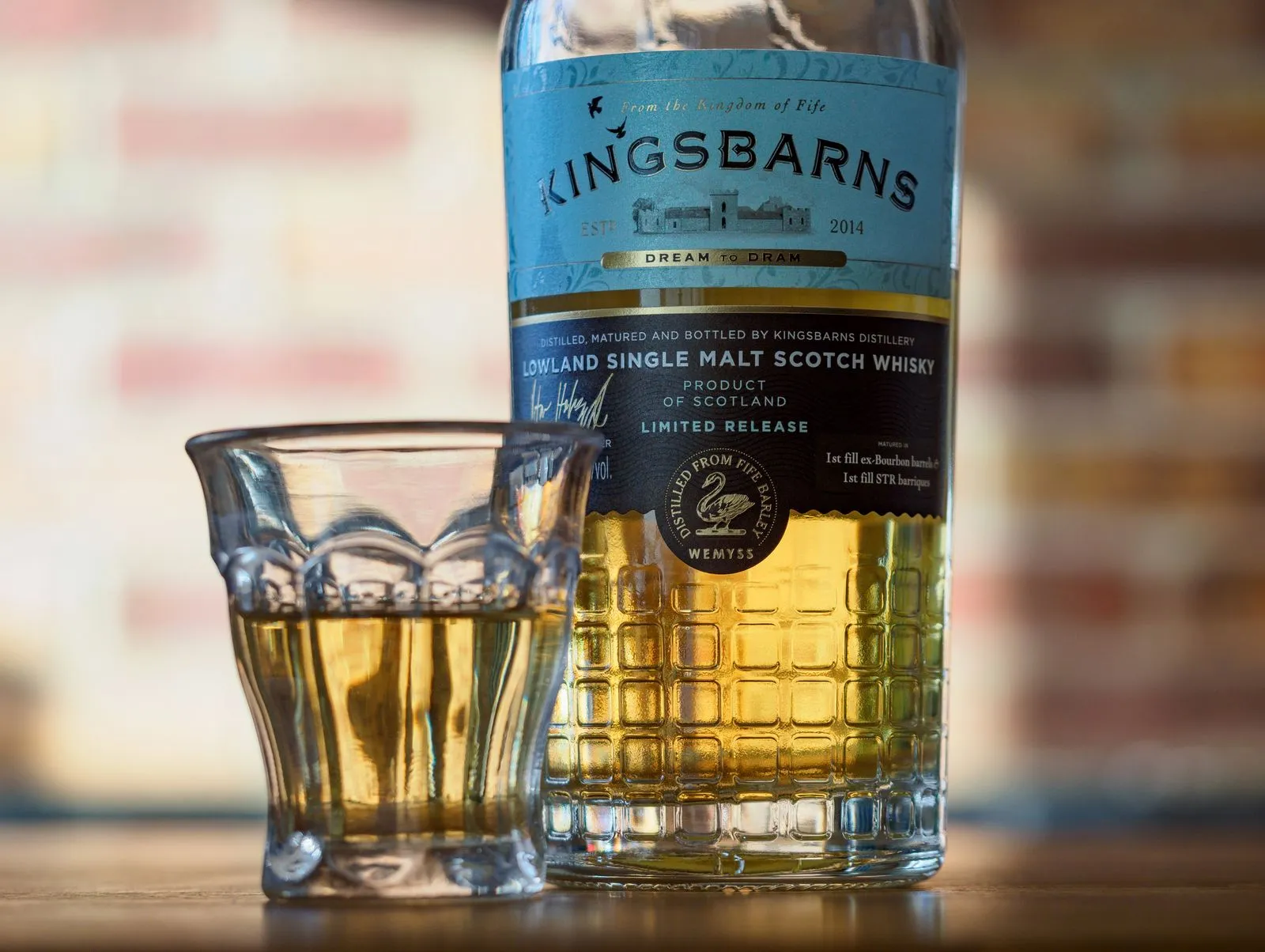
Tasting single malt whisky doesn’t require special vocabulary or experience. Take your time, notice what you sense, and focus on how the whisky changes from the first aroma to the last lingering flavor. A tulip-shaped glass can help concentrate aromas, but any small glass will do. Start with a modest pour, and keep a little water nearby. The goal is not to find a “correct” answer; it’s to discover what you enjoy.
Start With the Aroma
Pour a small amount and let it rest for a moment. Before swirling, bring the glass toward your nose and take a gentle sniff from a short distance. Whisky’s alcohol can feel strong up close, so move the glass away if needed. Try smelling with your mouth slightly open; some people find this makes the aromas easier to notice.
Look for familiar impressions rather than exact labels. You might notice fruit, honey, vanilla, toasted grain, spice, smoke, or something earthy. These are personal descriptions, not a test. If one aroma stands out, note it. Then return to the glass after a few minutes and see whether anything new appears.
Take a Small Sip
Take a small sip and let it pass over your tongue before swallowing. The first sip may feel sharp as your palate adjusts to the alcohol. That’s normal. A second small sip often gives a clearer sense of the whisky’s flavors. Notice whether the taste matches the aromas or introduces something different.
Pay attention to how the flavors arrive and shift. You might find sweetness first, followed by fruit, spice, roasted notes, or smoke. You do not need to identify every flavor. Choose one or two impressions that stand out, and consider whether they feel light, rich, bright, or mellow to you.
Notice the Texture
Texture describes how the whisky feels in your mouth. It may seem light and crisp, smooth and rounded, or rich and oily. Notice how it moves across your tongue and whether the alcohol feels gentle, warming, or intense. These observations can help you compare whiskies even when you can’t name specific flavors.
If the whisky feels too strong, add a few drops of water and taste again. Water can soften the alcohol sensation and reveal different aromas or flavors. Add it gradually so you can notice the change. There’s no required way to drink whisky: try it neat first if you like, then decide whether water makes the experience more enjoyable.
Follow the Finish
The finish is what you notice after swallowing. Give it a few seconds and observe which flavors remain, how long they last, and how they change. The finish might feel sweet, dry, spicy, smoky, or warm. Some whiskies fade quickly; others leave a longer impression. Neither is automatically better—it comes down to what you prefer.
A simple tasting note can be just a few words: “apple aroma, warm spice, light texture, dry finish.” Write down your impressions while they’re fresh, along with whether you would pour another sip. Over time, these notes can help you recognize the styles and flavors you enjoy most.
Taste slowly, use your own words, and let preference guide you. A few small sips can reveal plenty when you pause to notice aroma, flavor, texture, and finish. If you’d like to explore single malt whisky further, Queen City Malt can be a place to continue learning at your own pace.